
Collect Top-Selling Artists from Phillips' Record-Breaking '18
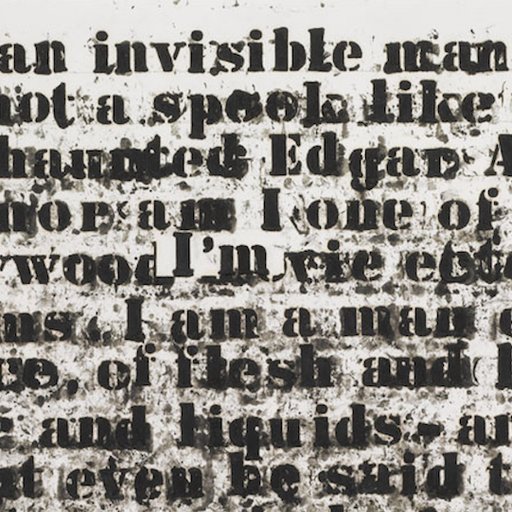
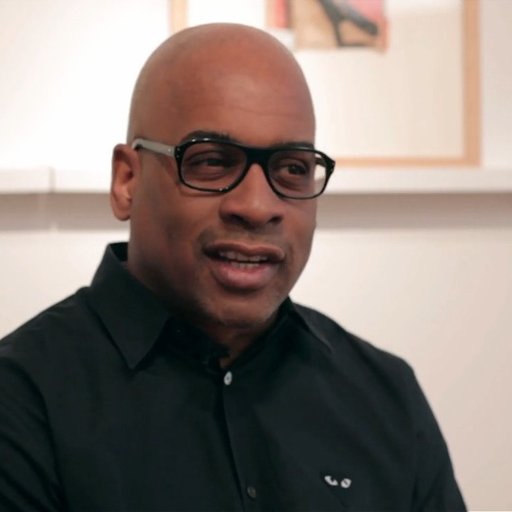
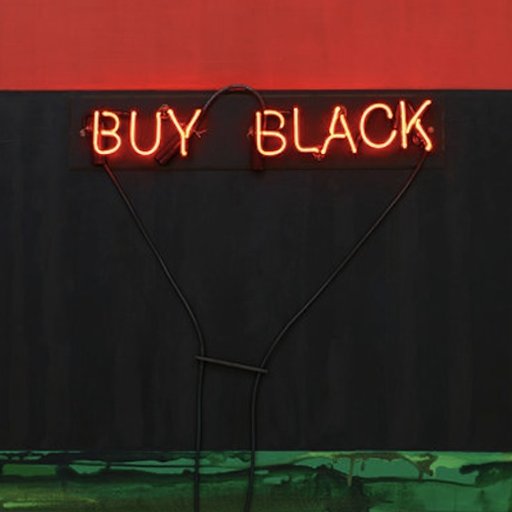
Glenn Ligon first became known in the late 1980s for his text-based paintings based on the political and racially charged writings of Zora Neale Hurston, Jesse Jackson and Richard Pryor, among others. Over time, language-based conceptualism became his primary concern, as notions of high art modernism gave way to the fraught cultural atmosphere of the time—one profoundly affected by AIDS and racial tension. While his text-based paintings are perhaps his most well-known works, they are only one part of a larger, interdisciplinary practice that includes his re-interpretations of 1970s black-history coloring books, and A Feast of Scraps, a photo album of family snapshots into which he inserts pornographic and stereotypical images of black men. Whether working with photography, drawing, installation or neon reliefs, Ligon's years of artistic engagement speak to his identification as an African-American gay man within a world laden with identity politics.
Upon entering office and moving into the White House, President Barack Obama installed Ligon's Black Like Me No. 2 (1992) in his family's private living quarters. In the spring of 2011, Ligon was the subject of a major retrospective at the Whitney Museum of American Art.
Works Available for Purchase

SHOWS
The Studio Museum in Harlem
New York
Jan 26 2017 - Jul 02 2017
Excerpt
Essex Street
New York
Jan 19 2017 - Feb 19 2017
Change of State
Petzel Gallery
Jan 07 2017 - Feb 11 2017
WE NEED TO TALK…
Vivian Horan Fine Art
New York
Sep 20 2016 - Nov 04 2016
THE ILLUSTRATED WORD
Pace Gallery
New York
Jun 24 2016 - Aug 19 2016
Blackness in Abstraction
Camden Arts Centre
London
Jun 19 2016 - Sep 18 2016
Making & Unmaking: An exhibition curated by Duro Olowu
Luhring Augustine
New York
Feb 27 2016 - Apr 02 2016
What We Said The Last Time
Luhring Augustine
New York
Jan 16 2016 - Apr 17 2016
We Need To Wake Up Cause That’s What Time It Is
The Studio Museum in Harlem
New York
Nov 12 2015 - Mar 06 2016
Black Color, Material, Concept